Glenda Caesar worked for the NHS for more than twenty years before the Windrush scandal turned her ability to prove her own status into a barrier to employment. Born in Dominica, she came to Britain as a baby in 1961. The problem was not that she had just arrived: she had built her life here over decades.
From a long career to years without work
Parliament’s Home Affairs Committee recorded that Caesar was wrongly dismissed from a GP practice administration job in 2009 when she could not provide the paperwork her employer demanded. She was denied unemployment benefits and built up substantial rent arrears. She also experienced detention on returning to Britain through Gatwick airport and was warned about the possibility of being unable to return after future travel.
These events were connected. Losing the ability to work meant more than one missing payslip. It affected housing security, independence and the ordinary choices families expect to make without asking a government department to confirm their right to exist in their own country.
An offer that did not reflect ten lost years
After roughly a decade unable to work, Caesar received an initial compensation offer of around £22,000 in December 2019. She rejected it as inadequate. The Home Affairs Committee’s 2021 report described her experience as one example of concern about whether financial offers represented victims’ actual losses.
Caesar told parliamentarians that people applying needed legal support, and described the strain of being asked repeatedly to substantiate the impact of years lost. Her recorded public evidence with other survivors, including Christian Hayibor and Anthony Williams, raised complaints about limited communication, demanding paperwork and the fact that the Home Office was deciding claims arising from its own failings.
From claimant to campaigner
Instead of withdrawing from public life, Caesar has helped other people affected by the scandal and campaigned for a public inquiry and fundamental change to compensation. In 2024 Guardian coverage she argued for payouts that recognised the harm suffered and questioned the unequal treatment of Windrush claimants. In June 2026, The Voice published her account of how the scandal affected her children and family as well as her employment.
The question the scheme still faces
Glenda Caesar’s experience shows why victims question comparisons based only on payments made. A lost career can carry decades of knock-on effects, including pension contributions, rent debt, family responsibility and emotional strain. Survivors’ demands for independent administration and fair legal assistance are not abstract policy arguments. They grow out of documented experiences such as hers.
Sources: Home Affairs Committee, Windrush Compensation Scheme report, 2021; Official transcript of victims’ evidence, December 2020; Guardian reporting on campaigners, April 2024; The Voice, interview, June 2026.
This is a sourced editorial account based on public testimony and reporting; it is not an interview conducted by Windrush Justice News with Ms Caesar.
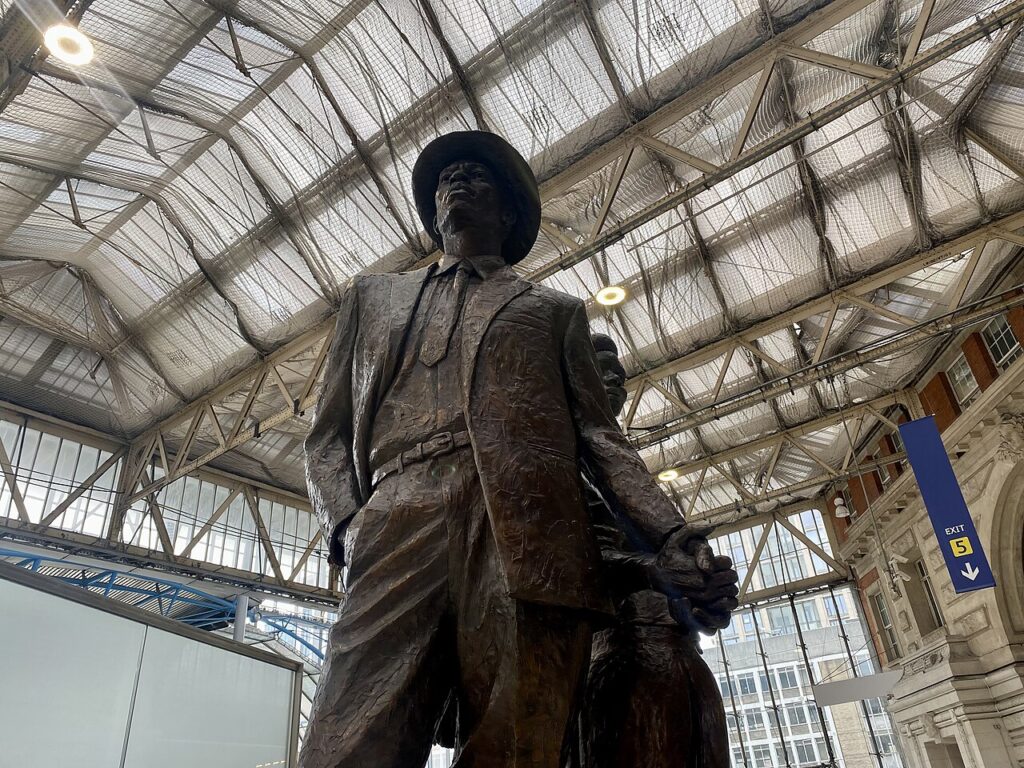
Photo source and license information: Wikimedia Commons original and reuse terms. This licensed contextual photograph does not claim to portray the person discussed.